
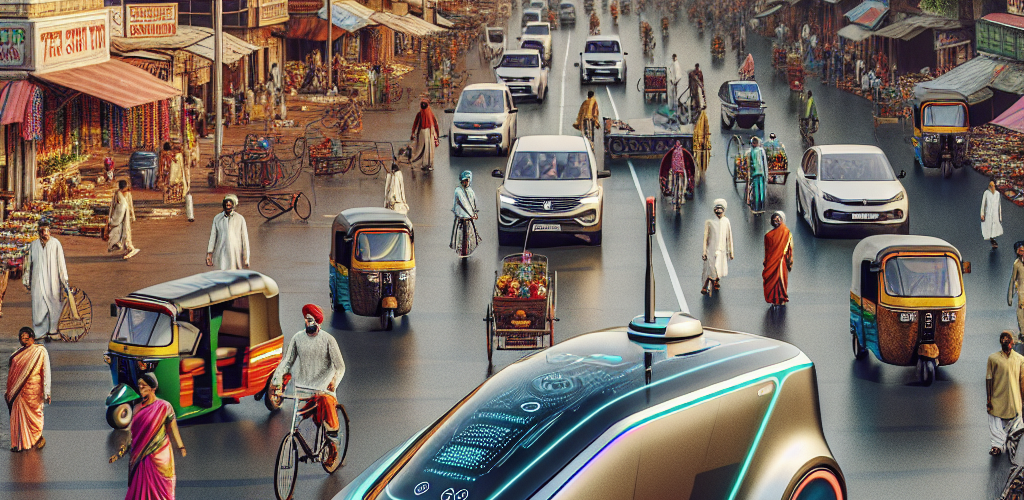
India, known for its bustling streets and diverse traffic conditions, is now gearing up to embrace the future of transportation with autonomous vehicles (AVs). The development and adoption of AV technology in India have gained momentum in recent years, with various companies and startups entering the market to revolutionize the way people commute. From self-driving cars to autonomous buses, the future of mobility in India looks promising.
One of the key drivers of the growth of AVs in India is the government’s push towards electric and connected vehicles. Initiatives like the Faster Adoption and Manufacturing of Hybrid and Electric Vehicles (FAME) scheme have incentivized the production and adoption of electric vehicles, paving the way for the integration of autonomous technology. Additionally, the Ministry of Road Transport and Highways has been working on drafting regulations and policies to govern the testing and deployment of AVs on Indian roads.
Several Indian startups and tech companies have also been at the forefront of developing autonomous vehicle technology. Companies like Tata Motors, Mahindra & Mahindra, and Ola Electric have been investing in research and development to create indigenous AV solutions tailored to Indian road conditions. These efforts are not only aimed at improving road safety and reducing traffic congestion but also at creating new opportunities for job creation and economic growth.
While the future of AVs in India looks promising, there are also challenges that need to be addressed. Infrastructure readiness, data security, and public acceptance are some of the key hurdles that need to be overcome for the widespread adoption of AVs in the country. Furthermore, the integration of AV technology with existing transportation systems and regulations poses a complex task that requires collaboration between industry stakeholders, policymakers, and the public.
Despite the challenges, the future of autonomous vehicles in India holds immense potential to transform the way people travel and commute. With advancements in artificial intelligence, machine learning, and sensor technology, AVs have the capability to enhance road safety, reduce emissions, and improve overall transportation efficiency. As the Indian automotive industry continues to evolve, the integration of autonomous technology is expected to play a significant role in shaping the future of mobility in the country.
