
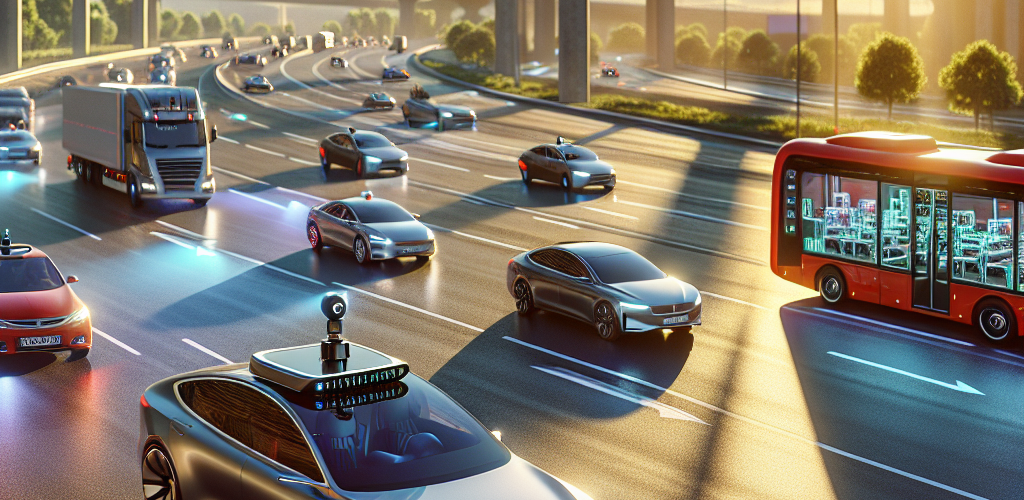
Autonomous vehicles, also known as self-driving cars, have been a hot topic in the automotive industry in recent years. These vehicles are equipped with advanced technologies such as sensors, cameras, radar, and artificial intelligence to navigate and operate without human intervention. The development of autonomous vehicles has the potential to revolutionize the way we travel, offering numerous benefits including improved road safety, reduced traffic congestion, and increased accessibility for individuals with mobility limitations.
One of the key advantages of autonomous vehicles is their potential to significantly reduce the number of traffic accidents caused by human error. With advanced sensors and real-time data processing capabilities, self-driving cars can detect obstacles, pedestrians, and other vehicles on the road more effectively than human drivers, leading to a decrease in accidents and fatalities. In fact, studies have shown that autonomous vehicles have the potential to reduce traffic accidents by up to 90%, making roads safer for everyone.
In addition to enhancing road safety, autonomous vehicles have the potential to reduce traffic congestion and improve overall traffic flow. Self-driving cars can communicate with each other to optimize routes, merge lanes more efficiently, and reduce traffic bottlenecks, leading to smoother and more efficient traffic patterns. This can ultimately save commuters time and reduce fuel consumption, benefiting both the environment and the economy.
Furthermore, autonomous vehicles have the potential to increase accessibility for individuals with mobility limitations, such as the elderly and people with disabilities. Self-driving cars can provide a convenient and independent mode of transportation for those who may have difficulty driving or using public transportation. This newfound mobility can improve the quality of life for many individuals and enable them to participate more fully in society.
While the promise of autonomous vehicles is exciting, there are still challenges that need to be addressed before they can become mainstream. These include regulatory hurdles, cybersecurity concerns, ethical dilemmas, and public acceptance. As technology continues to advance and stakeholders work together to address these challenges, the future of autonomous vehicles looks promising, and we may soon see self-driving cars becoming a common sight on our roads.
